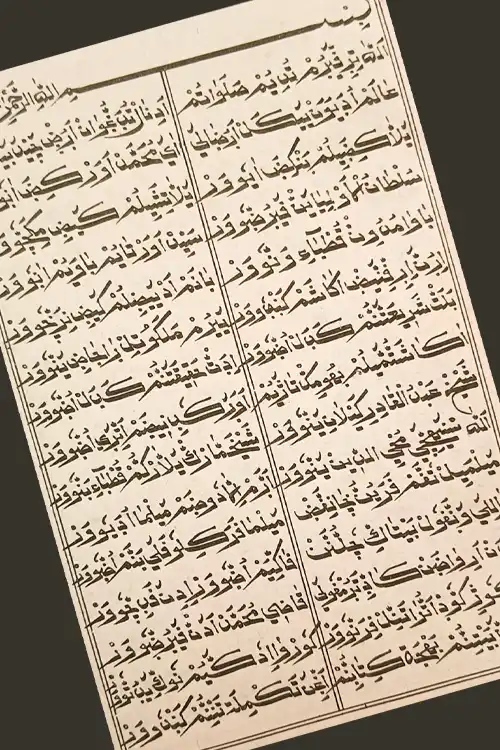
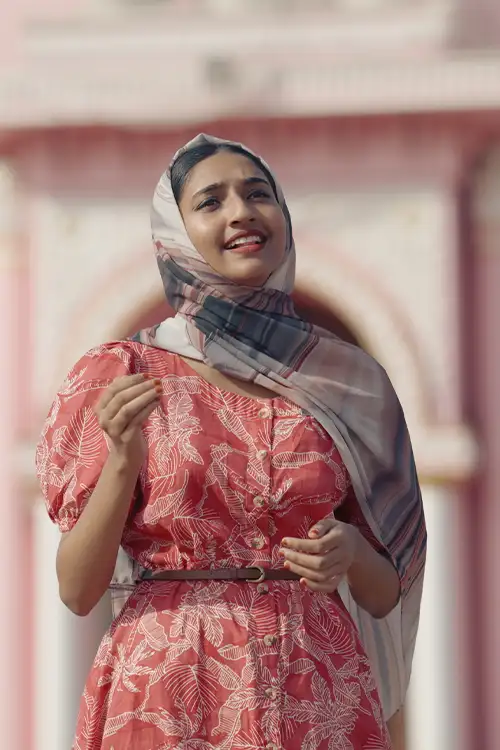
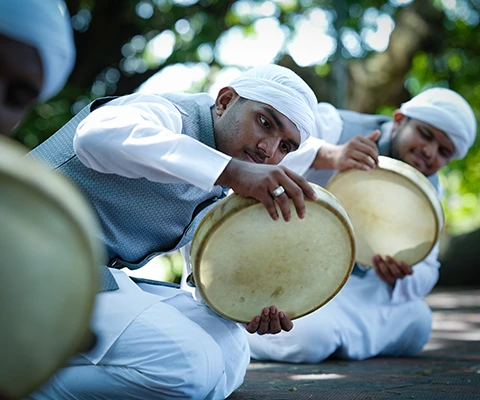
Mappila literature, written in Arabi Malayalam, reflects the deep cultural, religious, and linguistic heritage of the Muslim community in Kerala’s Malabar region. Predominantly poetic in form, it encompasses diverse genres under the umbrella of Mappilappattu, including devotional hymns (Malappattu), war anthems (Padappattu), narrative ballads (Kissappattu), songs of praise (Madh), romantic verses (Kessupattu), marriage songs (Kalyanappattu), and dirges (Marthiyya), among others. The earliest known work, Muhiyaddin Mala (1607), marked the genesis of this oral tradition, which was preserved with reverence in households and mosques.
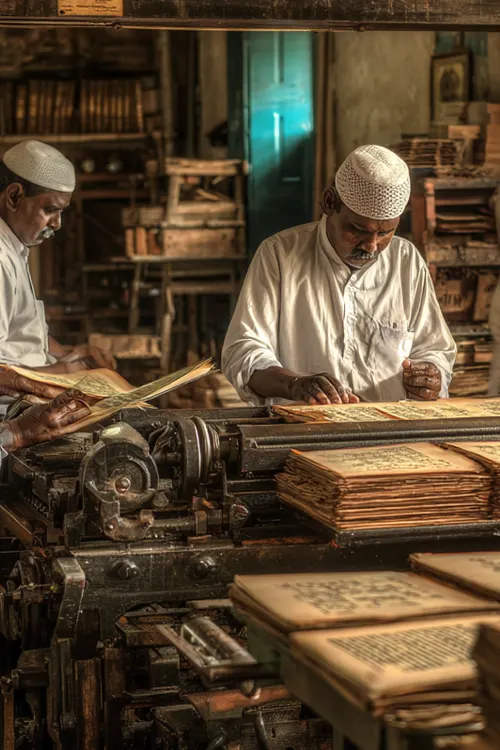
Prominent poets like Kunjayan Musliar and Moyinkutty Vaidhyar enriched the tradition with their lyrical depth and social commentary. The evolution of printing in the 18th century and later entry into the gramophone and film industries widened its audience. Mappila songs transformed from oral storytelling to recorded formats and live orchestras, incorporating Ghazal, Qawwali, and Hindustani influences. Alongside, Arabi Malayalam prose flourished through translations of Islamic texts, historical narratives, scientific treatises, and literature. Together, the poetry and prose of Mappila literature continue to preserve and celebrate the identity, history, and spiritual depth of a vibrant community.
The Mappila slang, known as Bishaayam or Thoudaram, developed uniquely in Mappila areas, where people spoke Malayalam in a distinct way, blending the local dialect with Arabic and Persian words. Examples:
Their proverbs, called Mappila Chollu, carry insights into their life and traditions. Like other communities whose proverbs are shaped by their social structure, Mappila Muslims use expressions influenced by their cultural and religious milieu. Some examples include:
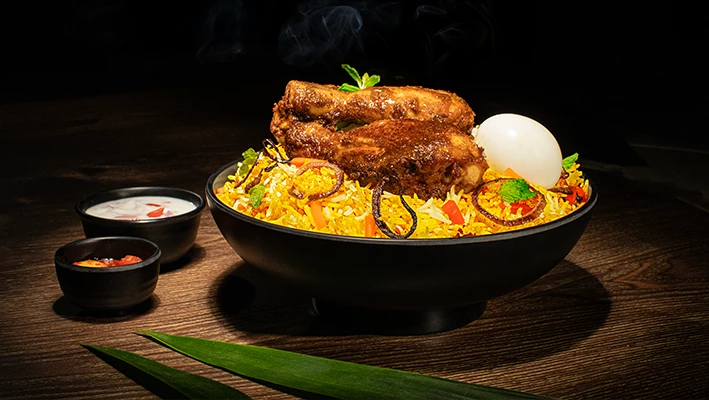
Many Arabic and Persian words have been integrated into Kerala's local dialect, like Achar, Kaki, Kachara, Shaithan, Balal, Museebath, Shujai, Parudeesa, Vanku, Sarbat, Sahib, Beevi, Biriyani, Kabab, Sirva, Sarbat, and Urumal.
Additionally, judicial, revenue, and military terms introduced by the Sultans, Mughals, and Mysore rulers continue to influence the language today. Examples include Jilla, Taluk, Tahsildar, Subedar, Havildar, Yadast, Nakkal, Nikuthi, Ameen, and Jamedar— all derived from Persian.